
Multi-chain assets
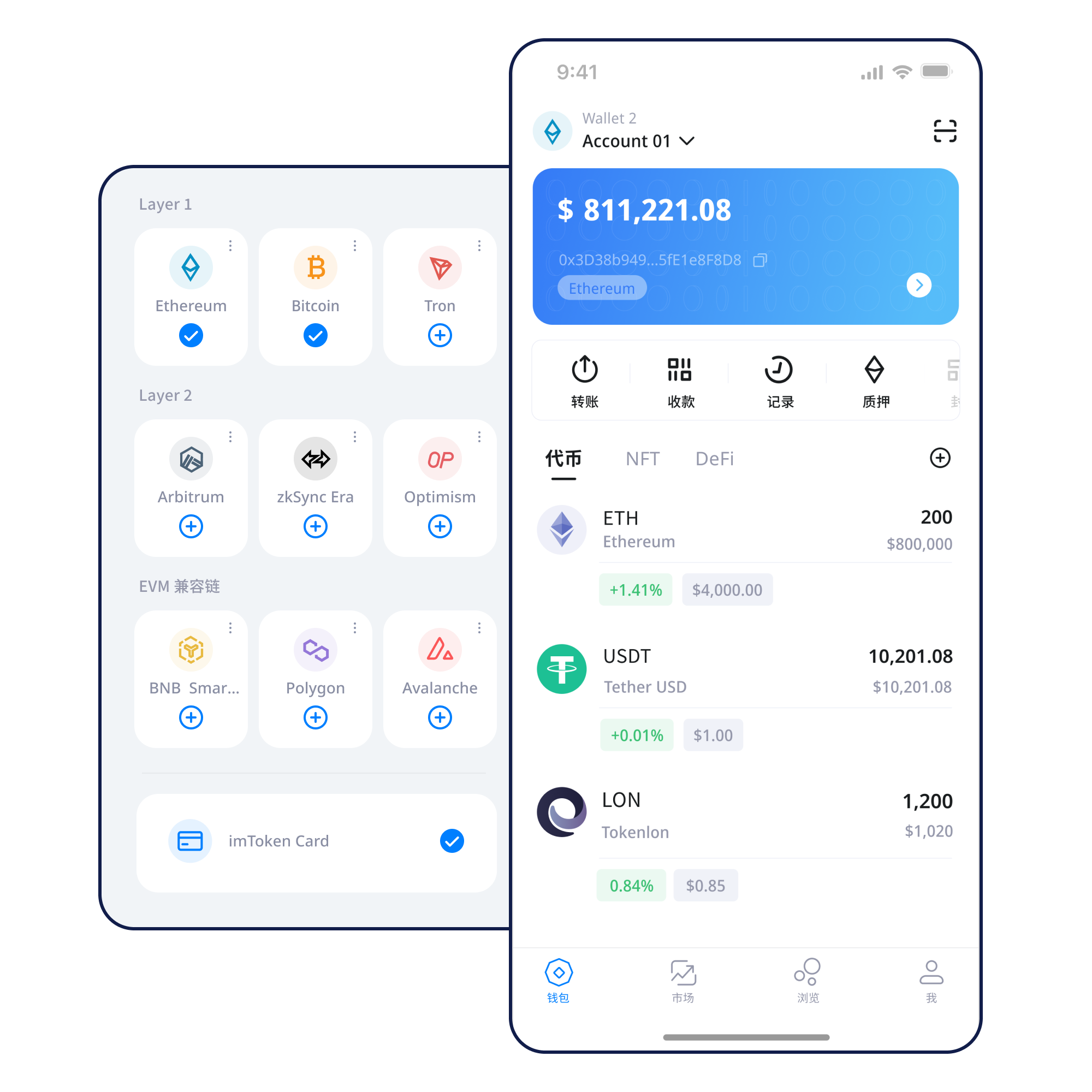
When viewing assets across networks, distinguish the network, token contract and confirmation state. The same name does not mean the same on-chain asset.
imtoken · Multi-chain Digital Wallet
A multi-chain wallet, blockchain network and Web3 knowledge hub from imtoken
From multi-chain assets and network selection to sending, receiving, DApp connections, approvals and wallet security, imtoken brings key actions and on-chain knowledge into one clear path so users can understand what is happening before they sign.
Start from a trusted entry point and make sure the creation flow never asks you to send a seed phrase to a server.
Read guide →Keep the seed phrase offline and avoid screenshots, cloud sync and messaging apps.
Read guide →Verify the receiving address and network so the sender uses the same chain you selected.
Read guide →Before submission, check the address, network, amount and gas, then keep the transaction hash.
Read guide →A connection grants account access context; it does not mean every later signature or approval should be accepted.
Read guide →Each capability is organized around how it is actually used, highlighting relationships between assets, networks, transactions, DApps and security instead of repeating identical cards.
When viewing assets across networks, distinguish the network, token contract and confirmation state. The same name does not mean the same on-chain asset.
Verify the receiving address, network, amount, gas and transaction hash, and understand the full path from signing to confirmation.
View workflow →View assets, manage networks, review transaction history and connect to DApps when needed.
Browser connections make domain checks, account requests, signature details and approval targets especially important. Disconnect sessions you no longer use.
Users remain responsible for seed phrases and private keys. Official staff will not request them or ask users to submit them through a website.
From multi-chain and public chains to EVM, Layer 2, gas and confirmations, understand the network before moving assets.
A multi-chain experience does not merge networks; it keeps each network’s assets, fees and transaction state clearly separated in one interface.
After broadcast, a transaction must enter blocks and receive confirmations according to that network’s rules. Block explorers help verify public state.
EVM networks share account and contract concepts, but network IDs, gas assets, deployments and token addresses still need independent checks.
Cross-layer transfers may involve bridges, waiting periods and different confirmation logic. Do not infer the network from how an address looks.
Gas reflects the network cost of execution, while confirmation count reflects how far a transaction has progressed after inclusion in a block. Both may change with congestion.
Each step corresponds to information you can verify before taking action.
Use a confirmed entry point to reach the download page and avoid installation links from unknown sources.
Understand the difference between creation and import, and never submit a seed phrase to a website or chat.
Keep the seed phrase offline and avoid screenshots or cloud sync.
Confirm the asset network, address and network details.
Before transferring, check the address, network, amount and gas.
Use the transaction hash to verify status and periodically review approvals you no longer need.
Web3 & DApp
Connecting a wallet does not mean every signature request should be accepted. Verify the domain before visiting a DApp, then review account requests, signature details and approval scope.
Security
Seed phrases and private keys remain under the user’s control; official staff will not ask for them. Before transferring, signing or approving, verify the network, address, amount, target and permission scope. Public devices, public Wi‑Fi, remote-control tools, clipboard substitution and lookalike domains can increase risk. Because on-chain transactions generally cannot be reversed by a wallet alone, checking first is the more reliable habit.
Open Security CenterAcademy
Start with addresses, seed phrases, private keys, networks, gas, transaction hashes, DApps and approvals before moving real assets. Addresses identify accounts, seed phrases and private keys establish control, the network determines where a transaction executes, and gas plus transaction hashes help explain cost and status. DApps and approvals add a separate permission layer that must be reviewed on its own.
Start learning →Ethereum
Understand PoS, validators, reward sources, network state, withdrawals and exits. Staking does not guarantee returns, and reward levels or waiting periods may change.
Learn staking mechanics →PoS
Validators may be subject to network penalties, smart contracts and third-party services involve technical risk, and digital asset prices may fluctuate. Participation should reflect your own circumstances.
Learn about validators →Content-first updates without invented dates, partnerships, funding or market claims.
Core questions covering wallets, networks, transfers, Web3, security and PoS.
All download actions go through download.html.
Download imtoken